
College Spending, and Eating Habits

The Freshman 15: More Than Just Weight Gain
The term “Freshman 15” is commonly used to describe the weight that some students gain during their first year of college. While it is often talked about casually or even jokingly, the reality behind it is much more complex. The Freshman 15 is not just about physical changes—it is deeply connected to mental health, societal pressures, and personal identity during a critical stage of life.
Societal Pressure and Body Image
One of the biggest factors influencing the Freshman 15 is the pressure created by society’s beauty standards. Many individuals begin to view their self-worth based on their body weight or appearance. These expectations can negatively impact self-esteem, making people feel like they must look a certain way to be accepted or valued.
This pressure affects everyone differently. For women, there is often an expectation to be thin, which can lead to unhealthy comparisons and unrealistic goals. However, being naturally thin does not protect someone from these pressures. Women who are underweight may still face judgment about their health or eating habits, showing that the issue is not just about size but about fitting into a narrow and unrealistic ideal. Women who are underweight still face criticism or assumptions about their overall health, eating habits, or lifestyle. This ultimately highlights how societal standards are unrealistic and are not just based on being overweight but about being "too" thin as well. This very specific and unrealistic version of what a body "should" look like creates many problems for peoples physical well-being but also their mental well-being.
For men, societal expectations often focus on strength and muscularity. Being underweight can conflict with these ideals, leading to feelings of inadequacy or low self-esteem. In both cases, the pressure to meet these standards can create stress and dissatisfaction with one’s body.
The expectation for men are vastly different from women, but just as impactful. The societal norms of masculinity often emphasize muscularity, strength, physical dominance, and more. Men who are underweight may feel that they do not meet these expectations that society has set, leading to feelings of inadequacy and low self-esteem. In both men and women, the pressure to conform to these "ideal" bodies can result in constant comparison, dissatisfaction, and lead to extreme mental stress.
Adolescents, the ages between 10-19, and young adults, the ages between 18-25, are the most vulnerable to these influences of body pressure. College freshman are at a critical stage of identity formation, figuring out who they are, what they are. They were developing independence while also navigating new social environments. During this time, social comparison becomes more intense, and individuals may feel high levels of pressure to fit in.
 The Impact on Self-Esteem and Behavior
Low self-esteem plays a major role in the Freshman 15. When individuals feel unhappy with their bodies, they may turn to unhealthy behaviors in an attempt to change or cope. This can include overeating, undereating, or developing irregular eating habits.
These behaviors often make the situation worse. For example, overeating due to stress or emotional reasons can lead to weight gain, which may further lower self-esteem. On the other hand, restricting food intake can harm physical and mental health. In both cases, the cycle continues, negatively affecting overall well-being.
Young adults, especially college freshmen, are particularly vulnerable to these effects. This stage of life is a time of identity formation, independence, and social comparison. Students are adjusting to new environments, new routines, and new social groups, all of which can increase pressure and insecurity.
Research sows that lower self-esteem is associated with a higher likelihood of unhealthy weight in young adults. This connection shows the psychological well-being and physical health are deeply connected, especially during transitional periods like the first year of college.
 Mental Health Effects
The Freshman 15 is also closely linked to mental health challenges such as depression and anxiety. Weight gain or body dissatisfaction can lead to feelings of sadness, hopelessness, or low confidence. In some cases, biological factors like inflammation associated with weight changes may also contribute to an increased risk of depression.
The psychological impact of the Freshman 15 extends beyond just self-esteem itself but to more broader topics within mental health such as depression, anxiety, bipolar disorder, etc. Weight gain or dissatisfaction with one's body can contribute to consistant feelings of sadness, worthlessness, uselessness, etc.
Anxiety is another common effect. Many students worry about how others perceive them, especially in high social settings. The fear of being judged or rejected based on appearance can create constant stress and emotional discomfort. This anxiety can affect ones everyday life, with making social interactions, academic performance, overall happiness, and ones comfortability in an environment very hard to control and navigate.
Social Effects and Stigma
Beyond personal struggles, students may also face social challenges related to weight. Overweight individuals often experience stigma, teasing, or even bullying. This type of discrimination can be damaging and lead to increased feelings of isolation.
Weight stigma reinforces negative stereotypes and can make individuals feel excluded or misunderstood. These experiences often worsen psychological distress, contributing to both depression and anxiety. Instead of feeling supported during a major life transition, students may feel judged or alone.
A Broader Perspective
It is important to understand that the Freshman 15 is not simply about gaining weight—it reflects deeper issues related to self-image, mental health, and societal expectations. Focusing only on the number on the scale ignores the emotional and psychological challenges that many students face.
Addressing the Freshman 15 requires a shift in perspective. Instead of promoting unrealistic beauty standards, there should be a focus on overall health, self-acceptance, and mental well-being. Encouraging balanced habits, supportive environments, and positive self-image can help students navigate this transition in a healthier way.
Conclusion
The Freshman 15 is often misunderstood as a simple or superficial issue, but it is actually influenced by a wide range of factors, including societal pressure, self-esteem, mental health, and social experiences. By understanding these deeper connections, we can create a more supportive and realistic conversation around body image and health for college students.
The Freshman 15: Nutrition, Food Choices, and Healthy Habits
 Why Nutrition Matters
The Freshman 15: The Cost of Food in College
When discussing the Freshman 15, it’s important to consider not just what students eat, but how much they spend on food. Financial decisions play a major role in shaping eating habits during college. Many students are balancing tight budgets, limited time, and new independence, all of which can influence their food choices and overall health.
On average, college students spend about $672 per month on food. This total includes groceries, dining hall meal plans, restaurant meals, and takeout. These expenses can quickly add up, and how students choose to spend this money can directly impact their nutrition and likelihood of gaining weight.
On-Campus Meal Plans
For many freshmen, meal plans are a required part of living on campus. The average campus meal plan costs around $570 per month. These plans usually include a set number of meals per week—typically between 12 and 15 meals per week—as well as extra funds for food purchases outside the dining hall, often called “flex bucks” or also known as “meal points.”
While meal plans offer convenience, they can sometimes lead to overeating. With unlimited or pre-paid access to food, students may feel pressure to “get their money’s worth,” leading to larger portion sizes or more frequent meals than necessary. Additionally, colleges may increase meal plan prices over time to help cover other university expenses, making them a significant financial commitment.
 Off-Campus Spending
Students who live off campus or choose not to rely entirely on meal plans often spend money on restaurants, takeout, and delivery. On average, students spend about $410 per month on eating off campus, which is roughly $102 per week.
While convenient, eating out regularly is often more expensive and less nutritious than preparing meals at home. Fast food and takeout options are typically higher in calories, sodium, and unhealthy fats, all of which can contribute to weight gain over time.
Grocery Shopping and Home-Cooked Meals
Grocery shopping is generally a more affordable option for students. The average college student spends about $250 per month on groceries, although this can vary depending on location and food prices.
Cooking meals at home can significantly reduce food costs. When combined with occasional eating out, home-cooked meals average around $263 per month. Based on grocery costs, each meal comes out to about $3.98, making it one of the most budget-friendly options.
In addition to saving money, cooking at home allows students to have more control over ingredients and portion sizes. This can lead to healthier eating habits and help prevent unwanted weight gain during the first year of college.
Alternative Food Options
Some students explore different dietary approaches or services that fit their lifestyle and budget. For example, a vegan diet prepared entirely at home averages about $281 per month. Depending on food choices and grocery prices, this cost can vary, but it can still be a relatively affordable and healthy option.
Meal kit delivery services are another popular choice amongst college students. These services provide pre-measured ingredients and step-by-step instructions for cooking meals. While convenient, they vary in cost:
- EveryPlate: about $122 per month
- Dinnerly: about $180 per month
- HelloFresh: about $224 per month
- Sunbasket: about $380 per month
Meal kits can help students learn to cook and reduce the stress of meal planning, but they are often more expensive than traditional grocery shopping, not all students have access to a stove, oven, etc either.
How Food Costs Impact the Freshman 15
The way students spend money on food can directly influence their eating habits and overall health. Limited budgets may lead some students to choose cheaper, highly processed foods that are lower in nutritional value. At the same time, busy schedules may push students toward fast food or takeout, even if it is more expensive.
Meal plans, while extremely convenient, can sometimes encourage overeating due to their structure. On the other hand, cooking at home requires time, effort, and planning—resources that many freshmen are still learning to manage on their own.
These financial and lifestyle factors can contribute to weight gain if not balanced carefully. For example, frequent takeout meals combined with low physical activity can lead to an increase in calorie intake, and an imbalance of meeting in the middle for your body. Similarly, relying on quick, inexpensive snacks instead of balanced meals can affect both weight and overall health.
Finding a Balance
Avoiding the Freshman 15 does not mean spending more money—it means making smarter choices with the money you already have and learning more about what you are putting into your body. Students can benefit from planning meals ahead of time, setting a budget for eating out, and learning basic cooking skills.
Simple strategies like buying groceries in bulk, preparing meals in advance, and choosing healthier dining hall options can make a big difference. Even small changes, such as reducing takeout or paying attention to portion sizes, can help maintain a healthy balance.
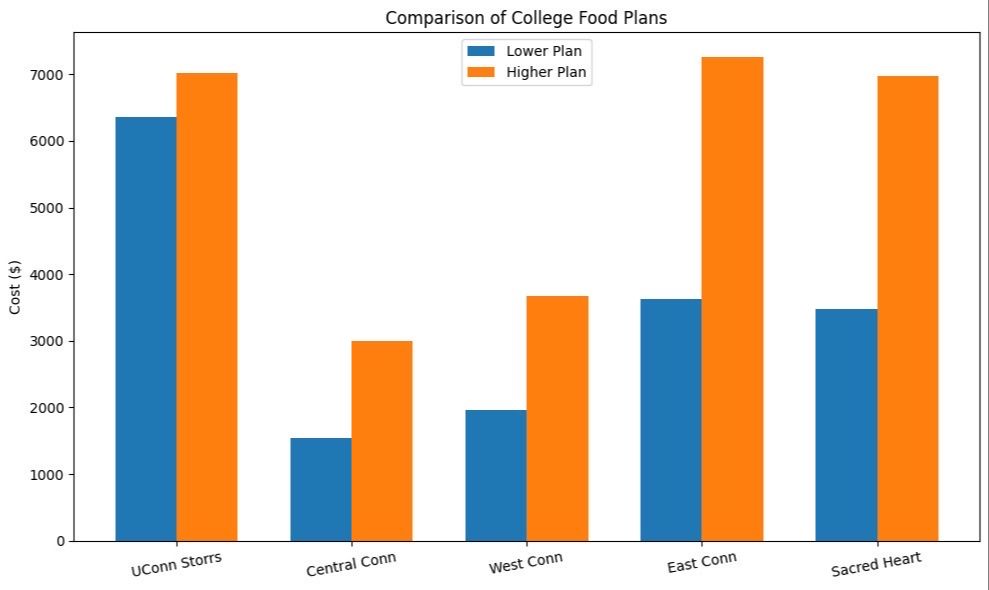
Below is a graph that shows the average food costs of schools around Connecticut.
Conclusion
The Freshman 15 is not just about food itself, but also about how students manage their food budgets. With the average college student spending hundreds of dollars each month on food, these financial decisions play a key role in shaping eating habits.
By understanding the cost of different food options and making mindful choices, students can maintain both their physical health and their financial well-being. Learning how to balance convenience, cost, and nutrition is an essential skill that can help students succeed not only in college, but throughout their lives.
 Serving Size and Calories
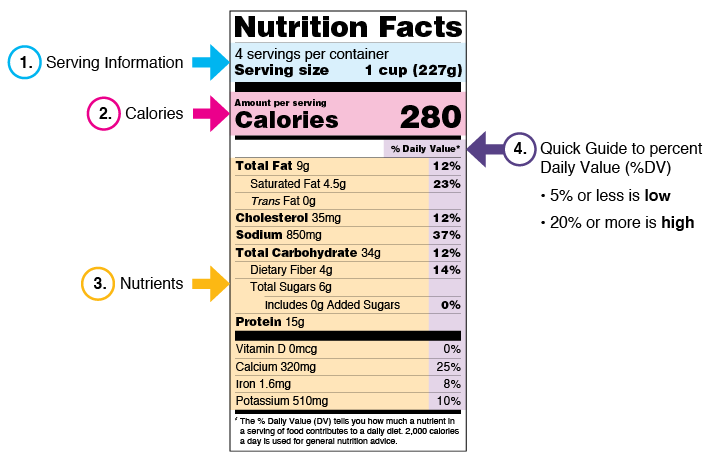
 Above we see the nutrition label and ingredients to a "Made Good" granola bar. Peoples first go for a quick, easy, on the go snack is a granola bar, but are they really that healthy? The first ingredient labeled is "Pure Gluten Free Oats" The first ingredient to any said product is what the product has the most of. If sodium is the first word in the ingredient list, that is the most used ingredient in the product and that is something you certainly want to avoid.
The Freshman 15: A Real Student Experience
While statistics and research help explain the Freshman 15, hearing directly from students provides a deeper understanding of what college life is really like. An interview with Gianna Mongiello, A freshman at Sacred Heart University highlights the everyday challenges students face when it comes to eating habits, health, and maintaining a balanced lifestyle.
Changes in Eating Habits
One of the biggest adjustments students face when entering college is a change in their eating habits. According to Gianna, her diet shifted significantly after arriving on campus. She explained that most of the food served in dining halls is mass-produced and often made with more oils, making it less healthy than what she was used to eating at home.
This change is common among freshmen. Home-cooked meals are often more balanced, while college dining options may prioritize convenience and quantity over nutrition. As a result, students may consume more processed or higher-calorie foods without realizing it.
Early Weight Changes
Gianna also reported noticing weight gain within the first two months of college. This reflects how quickly lifestyle changes can impact the body. However, she responded by increasing her physical activity, using exercise as a way to balance out her diet.
This shows that while weight gain can happen, students can take steps to manage it. The Freshman 15 is not inevitable, but it does require awareness and effort to maintain healthy habits.
Challenges of Eating Healthy
Maintaining a healthy diet in college can be difficult for several reasons. Gianna described how limited food options and the effort required to get to dining halls can make healthy eating inconvenient. Even something as simple as walking 5–10 minutes to get food can discourage students, especially when they are busy or tired.
Because of this, many students turn to fast food or delivery services. The convenience of ordering food makes it an easy option, even if it is not the healthiest or even the most financially smart choice. Over time, these habits can contribute to weight gain and other health concerns.
Limited Cooking Options
Another major challenge is the lack of access to kitchens. Gianna explained that she does not have a kitchen, so she relies almost entirely on dining hall meals. This limits her ability to prepare healthier options or control what goes into her food.
As a result, many students eat most of their meals in dining halls and try to limit how often they order food. However, without the ability to cook, maintaining a balanced diet becomes more difficult.
Inconsistent Eating Patterns
College schedules can also disrupt normal eating routines. Gianna shared that her meals are often inconsistent—some days she will eat only once, while other days she may eat three or four times. This inconsistency is usually due to time constraints, energy levels, and daily responsibilities.
Irregular eating patterns can affect metabolism, energy levels, and overall health. Skipping meals or overeating later in the day can make it harder to maintain a healthy balance.
Food Choices and Awareness
When it comes to nutrition awareness, Gianna admitted that she does not pay much attention to nutrition labels or ingredients. She says this because dining halls often serve buffet-style meals, it is easy to grab food quickly without thinking about nutritional value, especially when your school is the one handing it off to you.
This highlights an important issue: even when students want to eat healthier, the environment does not always support mindful decision-making. Without clear information or easy access to healthier options, students may struggle to make informed choices.
The Financial and Emotional Impact
Spending and Food Choices
Food costs also play a role in students’ eating habits. Gianna estimated spending about $30–$50 per week on food. However, they also noted that ordering food frequently had a major impact on their budget, using up much of the money they had saved before college.
This shows how convenience can come at a cost. While ordering food may seem easier, it can quickly become expensive and unsustainable for many students.
Reducing Unhealthy Habits
Gianna shared that during their first semester, she ordered food three to four times a week. However, after noticing negative effects on her health, she reduced it to once a week. This change demonstrates how awareness and small adjustments can improve both health and finances.
Is the Freshman 15 Real?
According to Gianna, the Freshman 15 is a real issue, but it depends largely on how individuals manage their time and diet. She pointed out that not all students enter college with the same background or habits. Some may already have experience with healthy eating and exercise, while others are learning these skills for the first time.
This transition can be especially challenging for students who are adjusting to independence and responsibility all at once.
Confidence and Self-Esteem
The interview also revealed the emotional impact of these changes. Gianna explained that both her and many of her friends have struggled with finding healthy food options, which can affect confidence and self-esteem.
For students with dietary restrictions, such as allergies, the challenge is even greater. Limited options can make it harder to maintain a healthy diet, increasing frustration and stress.
Additionally, the pressure to meet certain beauty standards in college can lead to insecurities. When combined with unhealthy food environments, this can make students feel even more dissatisfied with their bodies.
Conclusion
This real-life experience shows that the Freshman 15 is influenced by many factors, including food availability, convenience, cost, time management, and social pressures. College students face a unique set of challenges that can make it difficult to maintain healthy habits.
However, the interview also highlights that positive change is possible. By becoming more aware of their habits and making small adjustments, students can improve both their physical health and overall well-being.
Understanding these real experiences helps create a more honest and relatable conversation about the Freshman 15—one that goes beyond stereotypes and focuses on the realities of college life.